 Call us now:

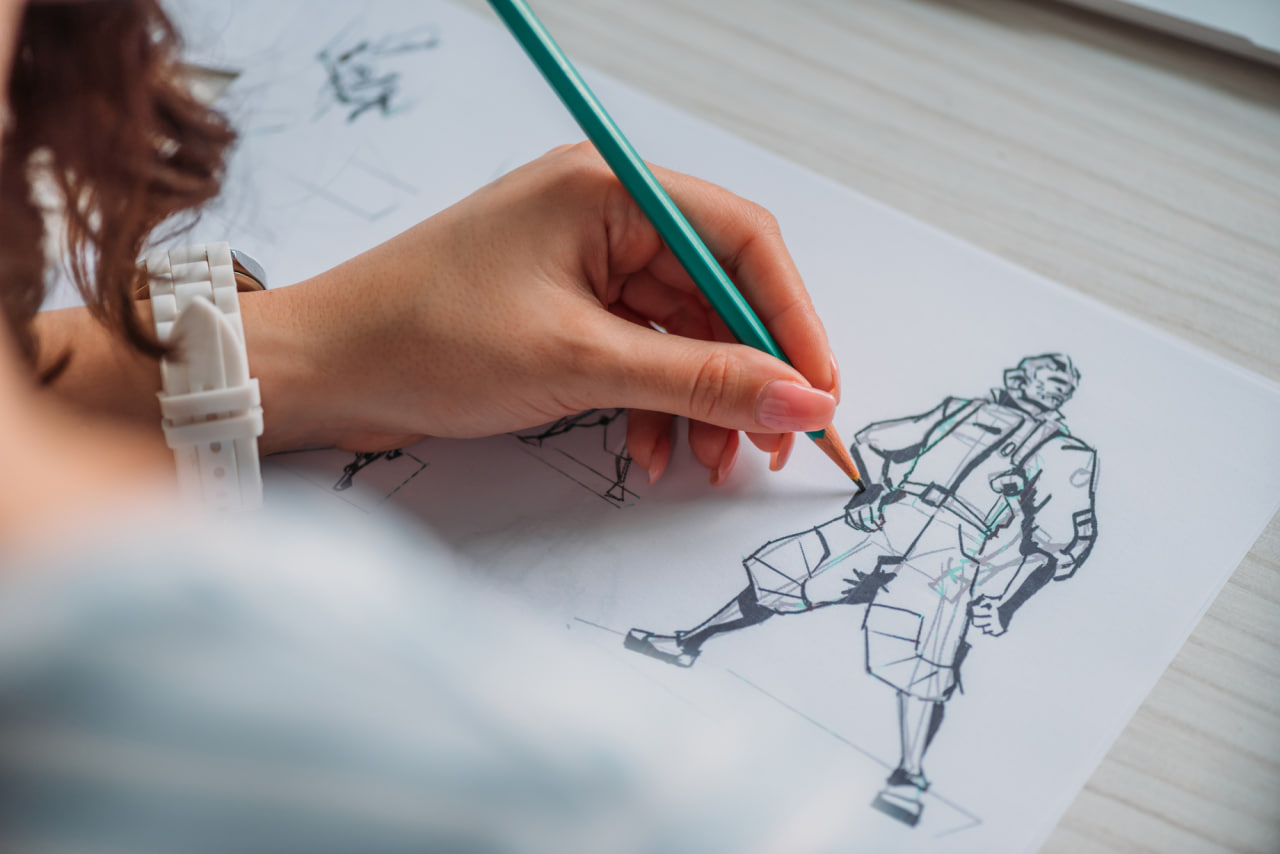
For beginners, one of the most exciting aspects of learning to draw and paint is discovering the wide variety of artistic mediums available. Each medium offers unique possibilities, challenges, and techniques. Experimenting with different materials not only builds skills but also helps you discover your preferred style and approach. Understanding the characteristics of each medium allows beginners to explore creativity with confidence and clarity.
Pencil and Graphite
Pencils are the most accessible and versatile medium for beginners. They provide control, precision, and the ability to experiment with shading and texture.
- Types of Pencils: Graphite pencils range from hard (H) to soft (B), affecting darkness and smoothness. Hard pencils are good for fine lines and detailed sketches, while soft pencils create rich, dark shading.
- Shading Techniques: Learn hatching, cross-hatching, and blending to create depth and dimension. Experimenting with pressure and layering helps achieve a variety of effects.
- Erasers as Tools: Use erasers not only to correct mistakes but also to add highlights and texture to drawings.
Graphite allows beginners to focus on fundamentals like proportion, form, and composition without worrying about color.
Charcoal and Pastels
Charcoal and pastels introduce richer textures and bolder contrasts, giving beginners a chance to explore expressive techniques.
- Charcoal: Available in sticks, pencils, and compressed forms, charcoal is excellent for dramatic shading and creating dynamic, gestural drawings.
- Soft Pastels: Pastels offer vibrant colors that can be blended easily. They work well for landscapes, still lifes, and figure studies.
- Blending Tools: Use blending stumps, fingers, or cloth to create smooth transitions and textures.
These mediums encourage experimentation with bold marks, layers, and textures that are difficult to achieve with graphite alone.
Ink and Pen
Ink introduces precision, contrast, and graphic quality. It is ideal for line art, illustrations, and detailed work.
- Types of Ink Tools: Fountain pens, dip pens, and brush pens offer different line qualities and control. Each tool affects the style of your drawing.
- Line Work: Ink encourages deliberate, confident strokes. Practice contour drawing, hatching, and stippling to create depth and texture.
- Experiment with Washes: Ink washes can add shading and subtle gradients, bridging the gap between drawing and painting.
Working with ink develops hand control, planning skills, and an appreciation for simplicity and clarity in design.
Watercolor
Watercolor is a versatile medium that allows beginners to explore color, transparency, and blending. It is perfect for landscapes, botanical studies, and expressive artwork.
- Materials Needed: Start with a set of quality watercolors, brushes of various sizes, and watercolor paper with good absorbency.
- Techniques: Learn washes, wet-on-wet, and layering techniques to control color intensity and texture.
- Experimentation: Watercolor encourages exploration of spontaneity, fluidity, and subtle gradients that are unique to the medium.
Watercolor teaches patience, observation, and control over both pigment and water.
Acrylics and Gouache
Acrylics and gouache offer vibrant colors and flexibility, suitable for beginners who want more opacity and layering options.
- Acrylics: Fast-drying and versatile, acrylics can mimic watercolor or oil painting depending on technique. They allow layering without waiting long for drying.
- Gouache: Gouache is opaque and can be reactivated with water. It is excellent for illustrations and designs requiring flat, solid colors.
- Layering and Blending: Practice creating gradients, textures, and mixed-media effects to understand how each medium interacts with others.
These mediums expand a beginner’s palette and introduce new ways of thinking about color and composition.
Combining Mediums
Mixing mediums allows beginners to explore creative possibilities beyond a single approach.
- Pencil and Watercolor: Start with pencil sketches and add watercolor washes to combine precision and color.
- Ink and Pastels: Use ink for outlines and pastels for expressive color, creating dynamic contrast.
- Acrylic Over Pencil: Layer acrylics over pencil drawings to experiment with textures and opacity.
Combining mediums encourages experimentation and helps beginners discover personal style.
Finding Your Preferred Medium
The best way to find your preferred medium is to explore multiple options and observe which feels most natural and enjoyable.
- Try Short Projects: Experiment with small sketches or paintings in each medium to see how you respond to the process.
- Observe Your Comfort Level: Notice which mediums help you express your ideas easily and which require more patience or practice.
- Keep a Sketchbook: Document experiments to track progress and identify favorite techniques and tools.
Exploring various mediums builds versatility and confidence, helping beginners develop a strong artistic foundation.