 Call us now:

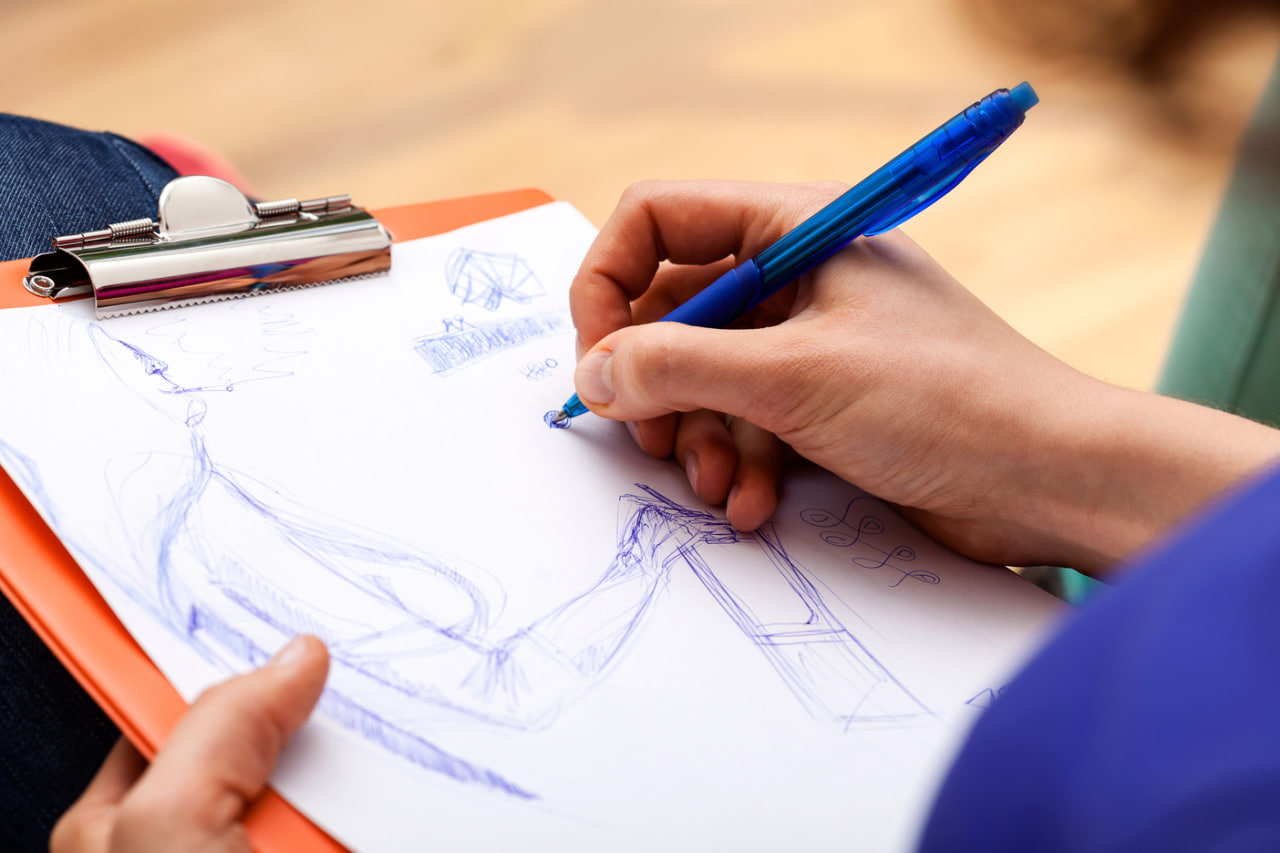
Starting your journey in drawing can feel both exciting and overwhelming. Every artist begins with basic skills that form the foundation for all future creative work. By practicing essential exercises, beginners can develop confidence, improve observation, and gain control over their tools. Building a strong foundation allows artists to progress more quickly and express themselves more effectively as they advance.
Understanding the Basics
Before picking up a pencil or pen, it’s important to understand the fundamental elements of drawing. These basics include shapes, lines, proportion, and shading. Mastery of these elements provides the building blocks for more complex compositions.
- Shapes and Forms: Almost every object can be broken down into simple shapes like circles, squares, and triangles. Recognizing and drawing these shapes accurately is key to representing objects realistically.
- Lines and Contours: Lines define edges, contours, and boundaries. Practicing smooth, controlled lines improves precision and hand-eye coordination.
- Proportion: Understanding scale and proportion ensures that objects and figures appear balanced and realistic within a composition.
Focusing on these core elements prepares beginners for all types of drawing, from still lifes to landscapes and figures.
Warm-Up Exercises for Beginners
Warm-up exercises help loosen the hand, improve control, and build confidence. They are an essential part of any drawing practice.
- Line Practice: Draw straight lines, curved lines, and zigzags across the page. Experiment with different pressures and speeds to create variation.
- Shape Repetition: Repeatedly draw circles, squares, and triangles to improve precision and consistency.
- Doodling and Scribbling: Let your hand move freely without judgment. This exercise builds comfort and creativity.
Regularly practicing these warm-ups strengthens fundamental skills and prepares you for more detailed work.
Observational Drawing
Drawing from observation trains your eyes to see accurately and your hand to replicate what you see. This skill is essential for realism and proportion.
- Still Life Practice: Arrange simple objects on a table and draw them, paying attention to shapes, angles, and spacing.
- Contour Drawing: Focus on the outlines of objects without lifting your pencil. This enhances hand-eye coordination and attention to detail.
- Gesture Drawing: Quickly sketch figures or objects in motion to capture essential movement and proportion without worrying about perfection.
Observational exercises help beginners develop both accuracy and confidence in translating what they see onto paper.
Shading and Texture
Shading gives drawings depth, dimension, and realism. Learning to control light and shadow is a foundational skill for every artist.
- Hatching and Cross-Hatching: Practice parallel lines and intersecting lines to create different levels of darkness.
- Blending: Use a pencil, tortillon, or finger to create smooth gradients from light to dark.
- Texture Studies: Draw patterns like wood grain, fabric folds, or stone textures to understand how surfaces respond to light.
Mastering shading and texture allows beginners to make drawings more dynamic and lifelike.
Perspective and Spatial Awareness
Perspective is crucial for creating depth and realism. Beginners should start with simple exercises to understand space and dimension.
- One-Point Perspective: Draw roads, hallways, or railways converging at a single vanishing point.
- Two-Point Perspective: Practice drawing boxes or buildings with two vanishing points to create a sense of three-dimensionality.
- Overlapping and Size Variation: Place objects at different distances and draw them proportionally to indicate depth.
These exercises teach beginners how to make drawings appear three-dimensional on a flat surface.
Daily Practice and Progress Tracking
Consistency is key to building a strong foundation in drawing. Short, focused daily exercises are more effective than occasional long sessions.
- Sketchbook Routine: Keep a dedicated sketchbook for daily practice. Even 10–15 minutes a day can yield noticeable improvement.
- Track Progress: Compare older sketches with new ones to see growth and identify areas for improvement.
- Challenge Yourself: Gradually introduce more complex subjects or techniques to push your skills forward.
Regular practice ensures steady improvement and builds confidence over time.
Embracing Mistakes and Growth
Mistakes are an essential part of learning. Beginners should view errors as opportunities to understand and improve rather than as failures.
- Analyze Errors: Identify what went wrong and how to correct it in future drawings.
- Experiment Freely: Trying new techniques or subjects often leads to unexpected insights and growth.
- Celebrate Progress: Recognize improvement in control, observation, and creativity, even in small increments.
A positive mindset helps maintain motivation and encourages continual skill development.