 Call us now:

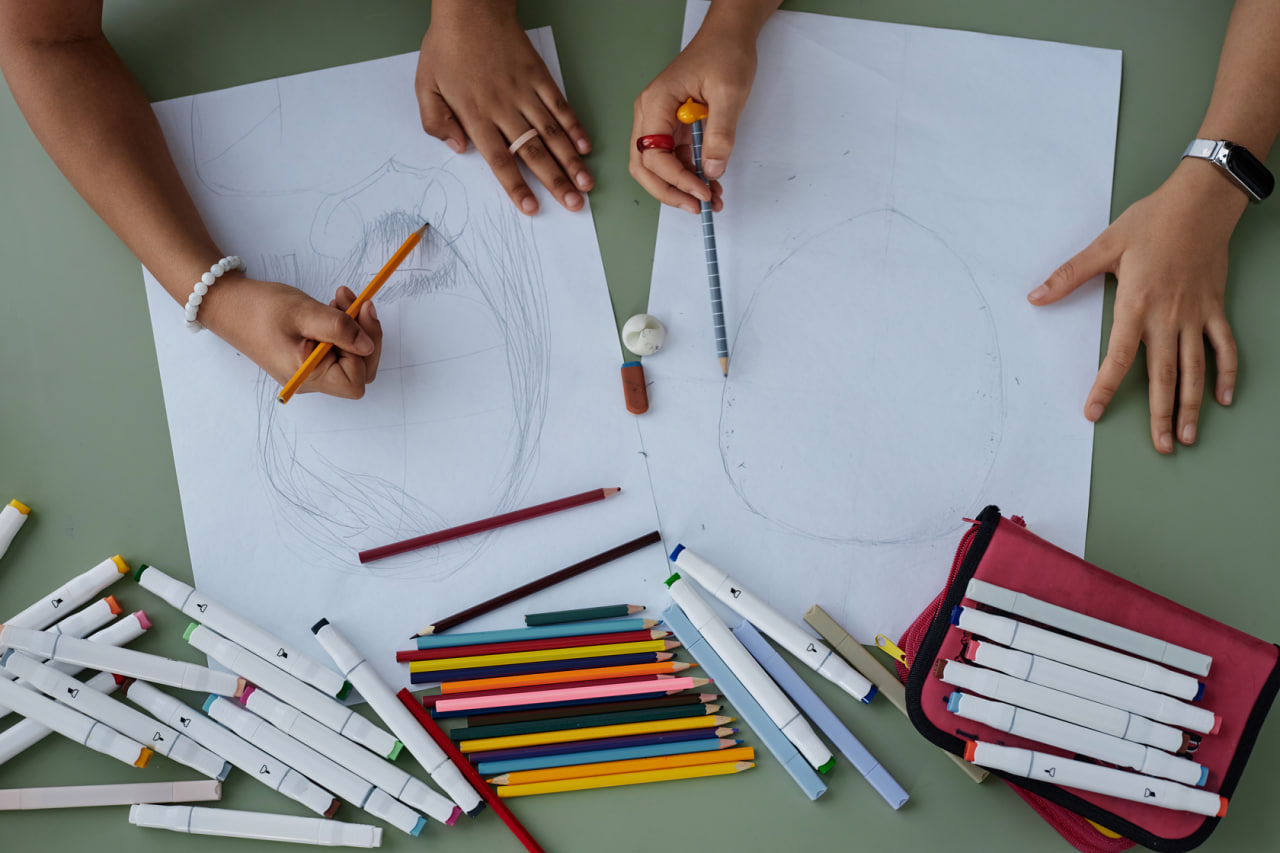
Every artist, regardless of experience level, strives to develop a personal artistic style that reflects their unique vision and creativity. For beginners, discovering this style can seem daunting, but it is a journey that begins with exploration, experimentation, and self-reflection. Developing a distinct artistic voice is not about forcing originality; it is about understanding your preferences, strengths, and interests while embracing the natural evolution of your skills.
Understanding Artistic Style
Artistic style is the combination of techniques, subjects, and personal choices that make your work recognizable and unique. It encompasses everything from line quality and color use to composition and subject matter. Understanding what contributes to style helps beginners make conscious decisions as they create.
- Techniques: The way you handle materials, whether sketching lightly or using bold strokes, defines the visual signature of your work.
- Medium Choice: Your preferred materials—pencil, ink, watercolor, or digital—affect texture, color, and overall presentation.
- Subject Matter: The themes or objects you are drawn to repeatedly, such as landscapes, portraits, or abstract designs, contribute to your style.
Recognizing these components helps you start shaping a coherent approach to your artwork.
Exploring Influences
One of the best ways for beginners to develop style is to study other artists and artistic traditions. Exposure to different styles provides inspiration and insight without copying.
- Art History: Learn about classic and contemporary artists, movements, and techniques to see a wide range of styles.
- Modern Artists: Explore online galleries, social media, and exhibitions to discover contemporary approaches that resonate with you.
- Nature and Everyday Life: Observing the world around you—colors, patterns, and textures—can influence your personal expression.
By studying influences thoughtfully, you can integrate elements that appeal to you while remaining authentic to your own vision.
Experimenting with Techniques
Experimentation is essential for discovering what feels natural and enjoyable. Beginners should try a variety of techniques and mediums to see what sparks creativity.
- Line Work: Practice different line weights, directions, and textures to understand how they affect mood and expression.
- Color Exploration: Mix and match colors in different mediums to find combinations that evoke the feeling you want to convey.
- Composition Variations: Try multiple ways of arranging elements on the page to see which layouts resonate most with your aesthetic.
Experimenting freely allows beginners to uncover preferences and develop confidence in their choices.
Reflecting on Your Work
Reflection is key to recognizing patterns and progress in your artistic journey. Regularly evaluating your creations helps identify recurring strengths and preferences.
- Sketchbook Reviews: Periodically review your sketches to see which techniques, subjects, and styles recur.
- Self-Critique: Consider what aspects of your work feel most satisfying or authentic and which areas feel less natural.
- Document Evolution: Keep a record of experiments and completed works to track growth and refine your artistic voice over time.
Reflection helps turn exploration into deliberate choices that shape your unique style.
Balancing Inspiration and Originality
While learning from others is valuable, developing your style requires integrating influences into something uniquely yours. Avoid imitation by focusing on personal expression and experimentation.
- Blend Influences: Combine techniques or themes from multiple sources to create a hybrid that reflects your preferences.
- Express Emotions: Let your feelings, ideas, and perspectives guide your choices in subject, color, and form.
- Iterate and Evolve: Artistic style is fluid; embrace changes as your skills, interests, and experiences grow.
Balancing inspiration with originality ensures your work is authentic and resonates personally.
Practicing Consistently
Consistent practice is essential for developing style. The more you create, the more opportunities you have to explore, experiment, and refine your unique voice.
- Daily or Weekly Drawing: Regular practice reinforces techniques and builds muscle memory.
- Focused Projects: Set small projects or challenges that allow you to apply and test different approaches.
- Celebrate Progress: Recognize improvements and milestones, no matter how small, to maintain motivation and confidence.
Consistency ensures that your style emerges naturally through repeated exploration and application.
Embracing Growth and Change
Artistic style is not static; it evolves alongside your skills, experiences, and perspective. Beginners should embrace this evolution rather than seeking a fixed style too early.
- Adapt and Experiment: Stay open to new techniques, mediums, and inspirations.
- Learn from Mistakes: Use challenges and failures as opportunities to grow and refine your style.
- Enjoy the Journey: Focus on expression, creativity, and discovery rather than rigid definitions of style.
Embracing change ensures that your artistic voice remains dynamic and authentic over time.